
It is a challenge to be positive in these extraordinary circumstances. Uncertainty over the second wave of the pandemic, the timing of foodservice recovery and concern over the economic impact are all reducing demand. We thought we had returned to a certain “New Normal” this summer, but now things are accelerating. What has been the impact of this crisis for the bakery industry, and what will be the consequences in the coming months?
European bakery consumption down by 7% in 2020
Overall, Gira anticipates a 7% drop in European bakery consumption in 2020. Packaged products should experience over 6% growth in 2020 compared to 2019, while the consumption of fresh products could decrease by 11%, or even more depending on the magnitude of the second wave of COVID-19.
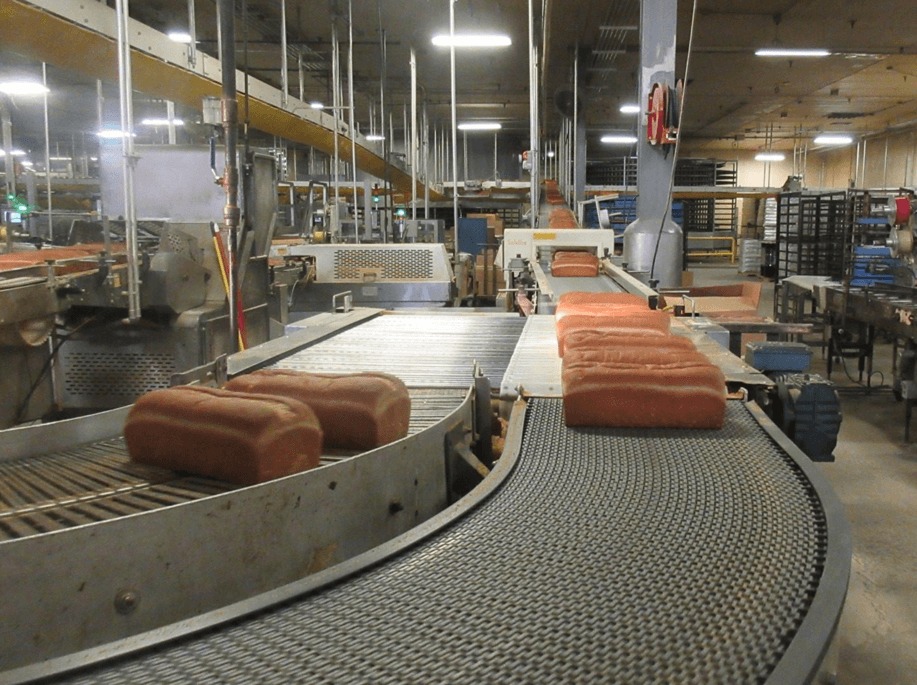
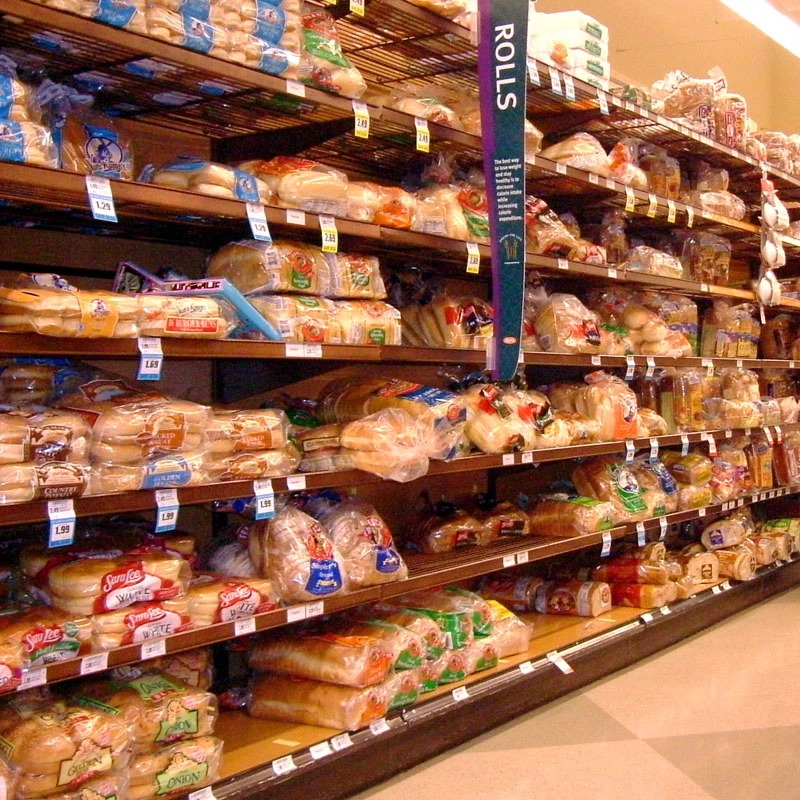
Packaged long-life ambient products are therefore the big winners of the pandemic, especially packaged bread, which has seen double digit growth during lockdown. Protective packaging has given consumers great reassurance, and this is a trend that should continue in the long term. In many countries, packaged bakery products have also been favoured by supermarkets, as fresh bakery counter staff have often been assigned to other departments and many in-store laboratories have closed, at least temporarily.
 Fresh bakery product supply strategies to be reconsidered?
The COVID-19 crisis has also had an impact on bakery product supply strategies. During lockdown, the use of bake-off increased to the detriment of scratch baking on the premises, which faced problems of labour shortages and new sanitary constraints. Fresh bakery products deliveries (for resale) have decreased during lockdown, due to the difficulties of ensuring daily deliveries. However, in some countries new opportunities have emerged for industrial fresh products.
Fresh bakery product supply strategies to be reconsidered?
The COVID-19 crisis has also had an impact on bakery product supply strategies. During lockdown, the use of bake-off increased to the detriment of scratch baking on the premises, which faced problems of labour shortages and new sanitary constraints. Fresh bakery products deliveries (for resale) have decreased during lockdown, due to the difficulties of ensuring daily deliveries. However, in some countries new opportunities have emerged for industrial fresh products.
At a European level, Gira’s forecasts for 2020 indicate a 15% decrease in artisanal fresh bakery product production (artisan bakers, in-store bakeries and restaurants), whereas industrial production (packaged, fresh and bake-off products) might only see a 5% reduction.
In the future, winning manufacturers will be those capable of decreasing their level of exposure to a specific channel (e.g. foodservice), their degree of product specialisation, and who will have the ability to switch from one technology to another (fresh vs. packaged, or different bake-off technologies).